Long Read · 8 min
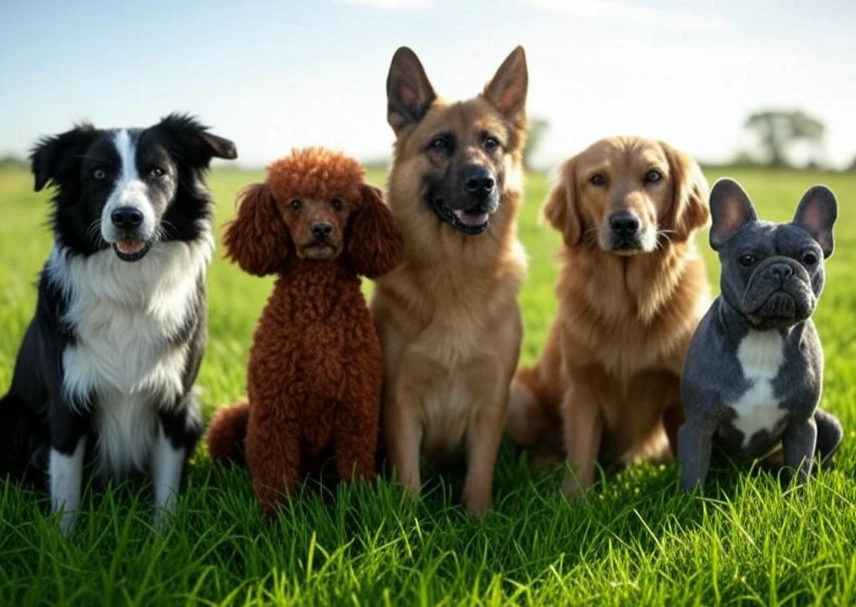
The Border Collie ranks first on the best-known list of the smartest dog breeds. The Poodle and German Shepherd Dog follow. But this ranking measures a narrow skill: how quickly and reliably a dog learns human-taught cues. It does not measure every kind of canine intelligence.
This guide explains what the ranking means and covers nine breeds from Coren's top ten, plus the French Bulldog as a separate example. It also answers a more useful question for many owners: which smart dogs are easiest to train and live with?
In this guide:
What dog intelligence means
Smart dog breeds and their rankings
The smartest dogs to train
Living with a smart dog
How to train a smart dog
How to choose the right breed
Frequently asked questions
Sources and expertise
Dog intelligence is not one single ability. A dog may learn commands quickly but struggle to solve a new problem alone. Another dog may be less interested in obedience yet show excellent judgment while tracking, guarding, retrieving, or herding.
Psychologist Stanley Coren described three useful forms of canine intelligence:
Coren built his famous breed list from questionnaires completed by 199 dog obedience judges in the United States and Canada. The judges compared breeds they had observed in obedience work. The result is useful as a trainability ranking, but it is not a complete canine IQ test.
Modern research also shows that canine intelligence has several parts. A 2022 study of 1,002 dogs found breed differences in some tests of social understanding, self-control, and problem-solving. It found no significant breed differences in the study's tests of memory or logical reasoning. Individual dogs also vary within every breed.
Nine of the breeds covered below appear in Coren's top ten for working and obedience intelligence. The French Bulldog does not. It is included separately to show why trainability rankings should not be confused with every form of canine intelligence.
| Rank | Breed | Main training trait |
|---|---|---|
| 1 | Border Collie | Fast learning and intense focus |
| 2 | Poodle | Versatile and responsive |
| 3 | German Shepherd Dog | Strong working focus |
| 4 | Golden Retriever | Cooperative and easy to motivate |
| 5 | Doberman Pinscher | Attentive and quick to learn |
| 6 | Shetland Sheepdog | Responsive and agile |
| 7 | Labrador Retriever | Social and reward-driven |
| Not in top 10 | French Bulldog | Companion training through short sessions |
| 9 | Rottweiler | Focused working ability |
| 10 | Australian Cattle Dog | Persistence and problem-solving |
The Border Collie is the best-known answer to the question, "What is the smartest dog breed?" The breed was developed to control livestock while responding closely to a handler. This work rewards focus, fast decisions, and quick learning.
High intelligence does not make a Border Collie easy to own. These dogs often need demanding mental and physical work every day. Without a suitable outlet, they may invent their own activities, including chasing movement, barking, or controlling people and other pets.

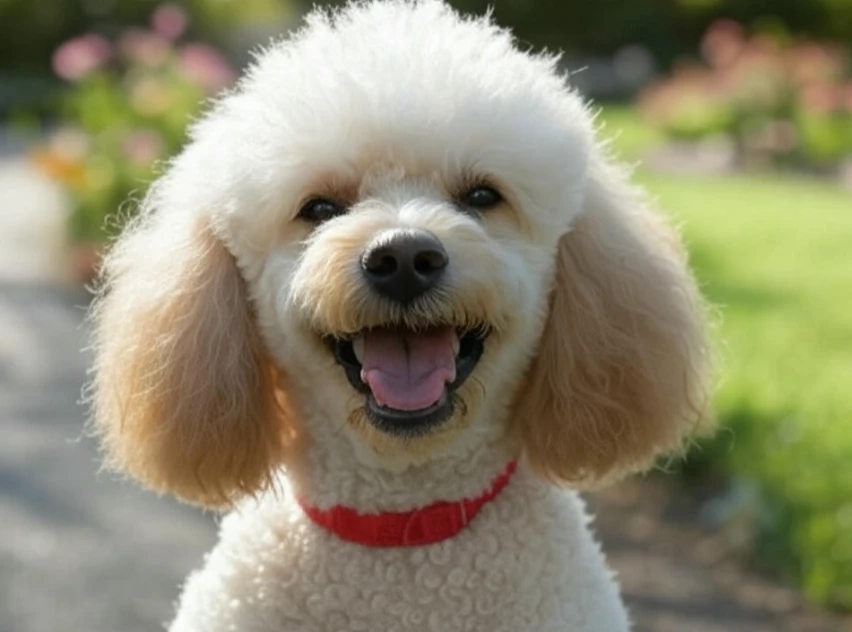
The Poodle is a fast and flexible learner. Poodles often enjoy working with people and can do well in obedience, retrieving, scent games, agility, and many other activities.
They can be approachable for owners who want a highly trainable companion. However, they still need daily activity and regular coat care. Standard, Miniature, and Toy Poodles differ in size, but all three need more than a decorative role.
The German Shepherd Dog combines fast learning with the size and drive of a serious working breed. Many do best when training has a clear purpose, such as obedience, tracking, scent work, or controlled play.
Intelligence cannot replace sound temperament, early socialization, and responsible handling. A large alert dog needs calm guidance from the beginning. Read the complete German Shepherd Dog guide before deciding whether the breed fits your home.

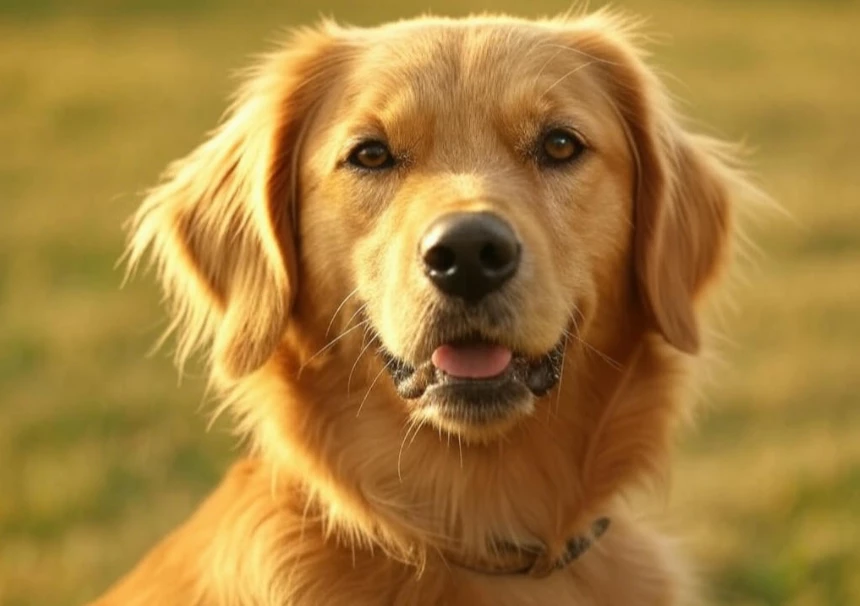
The Golden Retriever often learns well because many Goldens enjoy food, play, attention, and cooperation with people. These qualities help them succeed as family companions and working dogs.
A young Golden can still be energetic, mouthy, and easily distracted. Easy to train does not mean trained at birth. The Golden Retriever breed guide explains the exercise, care, health, and family needs behind the friendly image.
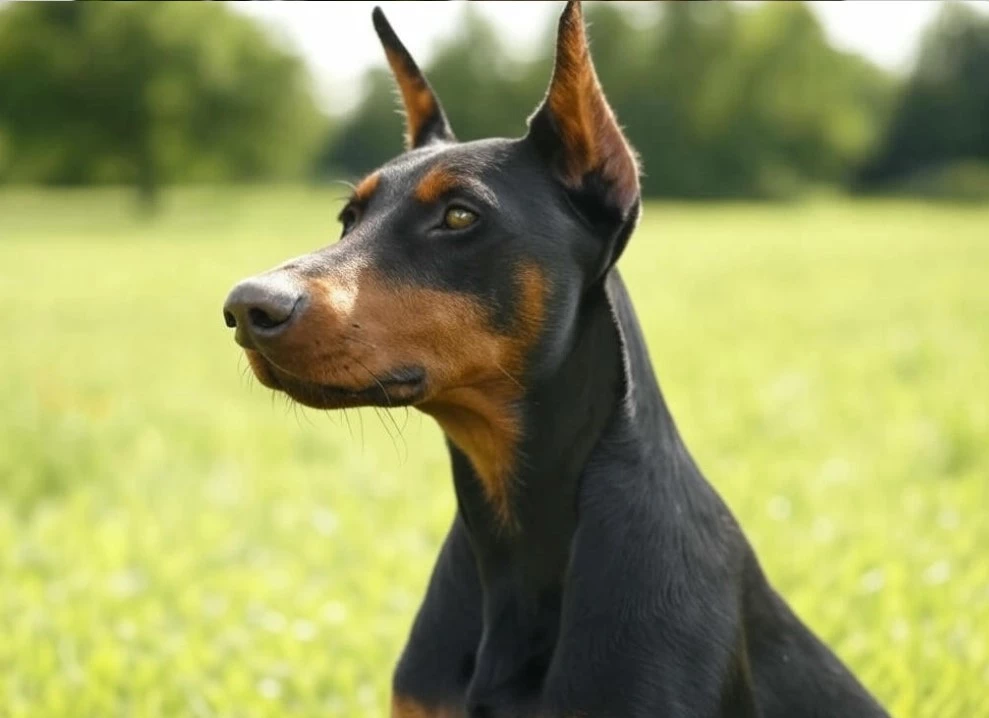
The Doberman Pinscher is an attentive and athletic working dog. Many Dobermans learn routines quickly and watch their handlers closely. Clear cues, rewards, and steady practice help turn that ability into reliable behavior.
This is a powerful breed that needs structure, socialization, exercise, and calm handling. Intelligence alone does not make a dog safe or suitable for every home. Temperament, breeding, health, and owner experience all matter.
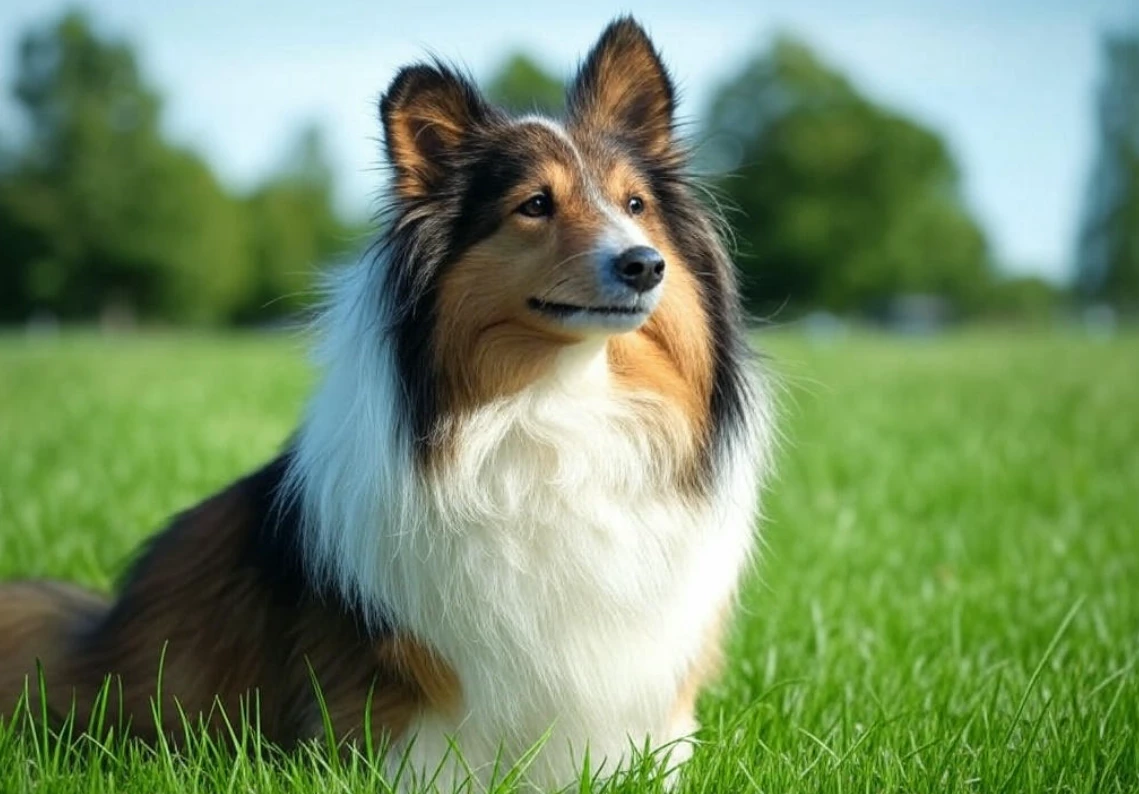
The Shetland Sheepdog, often called a Sheltie, is a responsive herding breed. Shelties often learn cues quickly and can excel in obedience, rally, and agility.
Their smaller size can make them easier to manage than some working breeds, but they are still active and alert. Many are vocal. Reward-based training and suitable daily activities give their energy and attention a useful direction.
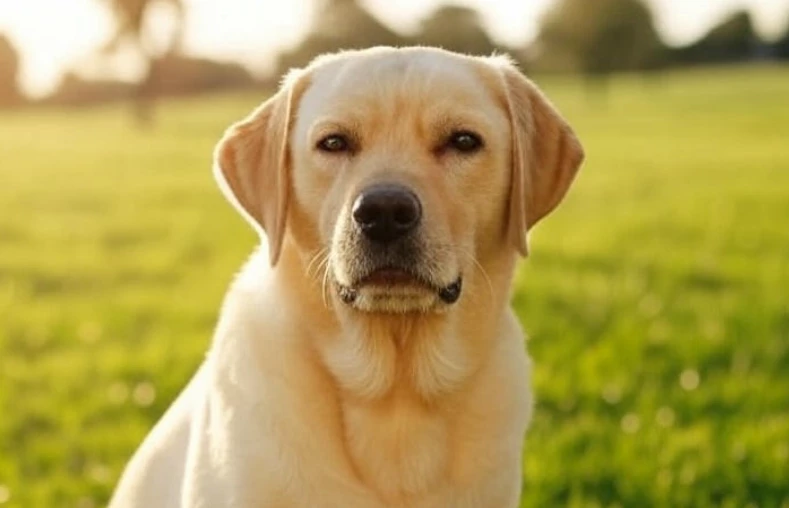
The Labrador Retriever is often highly trainable because many Labs value food, toys, retrieving, and contact with people. Owners can use these rewards to build attention and teach useful skills.
Young Labradors can be strong, physical, and excitable. Training should start before the puppy becomes a large adolescent. Recall, leash manners, calm greetings, and dropping objects are especially useful. See the Labrador Retriever temperament and training guide for more detail.
The French Bulldog is not number eight in Coren's working and obedience ranking. The breed can still learn household routines, basic cues, and useful manners. Many Frenchies respond best to food, play, attention, and short training sessions.
Owners should not confuse a lower obedience rank with an inability to learn. Motivation and individual personality affect training. Short indoor sessions, food puzzles, and scent games can provide useful mental activity without turning practice into a long drill.

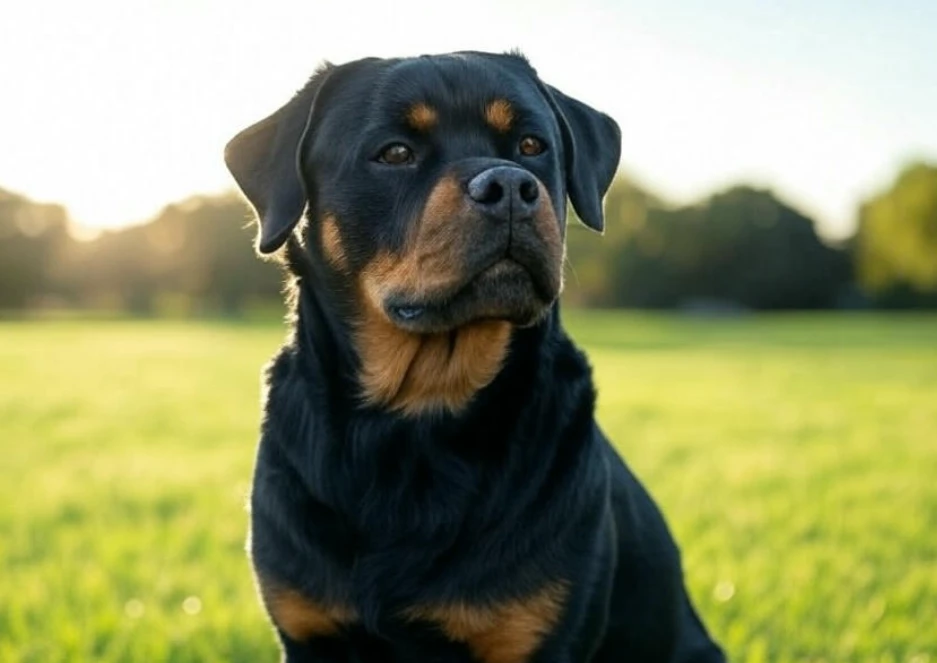
The Rottweiler is a strong working breed that can be focused and responsive with consistent training. Its size changes the stakes. Loose-leash walking, recall, calm greetings, and safe handling should begin early.
A ranking cannot tell you whether one Rottweiler has a stable temperament or fits your household. Responsible breeding, socialization, health, training, and owner skill are all essential.
The Australian Cattle Dog was developed for demanding livestock work. The breed often combines quick learning, persistence, energy, and independent decision-making.
Those qualities can be impressive in work or dog sports and difficult in a home without a plan. Daily walks alone may not be enough. These dogs also need clear rules and safe tasks that require thought.

For many households, the Golden Retriever, Labrador Retriever, and Poodle are among the easiest smart breeds to train. They often combine quick learning with a strong interest in food, play, praise, or cooperation with people. Shetland Sheepdogs can also be highly responsive for owners who prefer a smaller dog.
The fastest learner is not always the easiest dog to train. A Border Collie may learn a cue very quickly but need far more work than the average household can provide. A German Shepherd, Doberman, or Rottweiler may respond well to training, but strength, alertness, and socialization needs increase the owner's responsibility.
Not always. Smart dogs notice patterns quickly. This helps when the pattern is sitting before a door opens. It causes problems when the pattern is barking until someone throws a toy.
Highly trainable dogs can also learn unwanted habits. Too little activity may lead to barking, chewing, digging, chasing, escaping, or constant demands for attention. More physical exercise is not always the full answer. Dogs also need calm skills and suitable mental work.
The American Veterinary Society of Animal Behavior recommends reward-based training. A reward can be food, a toy, play, praise, sniffing, or another activity the dog values.
If a dog does not respond, do not immediately assume stubbornness. The environment may be too distracting, the reward may be too weak, or the cue may not be fully learned. A sudden change in familiar behavior can also justify a veterinary check.
Choose a dog for the life you actually live, not for a ranking. Before selecting any breed from a smart dog list, ask:
A lower-ranked dog can be a much better companion when its energy and temperament fit the household. Intelligence should guide your decision, not make the decision for you.
The Border Collie ranks first in Stanley Coren's working and obedience intelligence list. This means the breed performed especially well in a system focused on learning and following human-taught cues. It does not prove that Border Collies are best at every mental task.
Golden Retrievers, Labrador Retrievers, and Poodles are often approachable choices because many learn quickly and are easy to motivate with rewards. Individual temperament, age, and training history still affect the result.
No. Papillon holds position eight in Coren's working and obedience ranking. French Bulldogs can learn routines and useful cues, but they are not part of that top ten.
No. A dog may understand a cue and still be distracted, worried, overexcited, or insufficiently trained in that setting. Obedience depends on training, motivation, and the environment as well as learning ability.
Training can improve attention, communication, confidence, and skill at specific tasks. Mental games can also give dogs better ways to use their abilities. Training does not create one universal IQ score.
No. Coren's list mainly measures working and obedience intelligence. A breed developed to work independently may be less focused on human commands while still showing strong instinct, persistence, scent ability, or problem-solving.
This guide separates working and obedience rankings from broader canine cognition. It was developed using the following research, veterinary behavior guidance, and breed resources:
Ready to compare breeds after looking beyond the rankings? Browse dogs, puppies, and breed listings on AllinPets. AllinPets lets breeders list for free and helps buyers explore available dogs across the United States.
Written by the AllinPets Editorial Team.