Long Read · 12 min
The Pomeranian is a tiny spitz-type toy dog with an outsized personality, bred down over centuries from much larger sled-working ancestors. It suits owners who want a bold, alert lapdog with a spectacular coat and can commit to careful handling, close weight control, and a real dental and joint care routine. If you want a low-maintenance dog that tolerates rough handling by young children, the Pomeranian is not the right match.
| Trait | Detail |
|---|---|
| Origin | Pomerania region (northern Germany/Poland); refined in England, 1800s |
| AKC group | Toy Group (recognized 1888) |
| Size | 6–7 in tall at withers (AKC standard); 3–7 lb, show ideal 4–6 lb |
| Lifespan | 12–16 years |
| Coat & shedding | Profuse double coat; moderate shedding, heavier during seasonal blowouts |
| Best fit | Adult households or families with older, gentle children |
| Serious watch-out | Tracheal collapse and luxating patella; fragile for its size |
In this guide:
The Pomeranian descends from larger Spitz-type sled and working dogs of the Pomerania region, an area spanning parts of modern Germany and Poland, where dogs in this line commonly weighed 20 to 30 pounds or more. The breed's dramatic size reduction happened mostly in England during the 1800s, driven in large part by Queen Victoria's fondness for a small Pomeranian she encountered in Italy; her enthusiasm sparked a fashion for progressively smaller Poms among British breeders.
The American Kennel Club recognized the breed in 1888.
That compressed sled-dog ancestry explains a lot about the modern Pomeranian: the thick double coat built for cold climates, the confident, almost oversized personality packed into a tiny frame, and, less charmingly, a skeleton and airway that were not originally built to be this small. Occasional "throwback" Poms, carrying genes from those larger ancestors, can still turn up at 10 to 20 pounds and are simply a different point on the breed's own spectrum, not a health problem by themselves.
Pomeranians are extroverted, alert, and confident, often acting like a much larger dog in a five-pound body. The AKC standard describes the breed as an extrovert with great intelligence and a vivacious spirit, equally suited to companionship and the show ring. They tend to be devoted to their people and quick to sound the alarm at anything unfamiliar. Temperament still varies dog to dog, and early socialization shapes the outcome as much as breed tendency does.
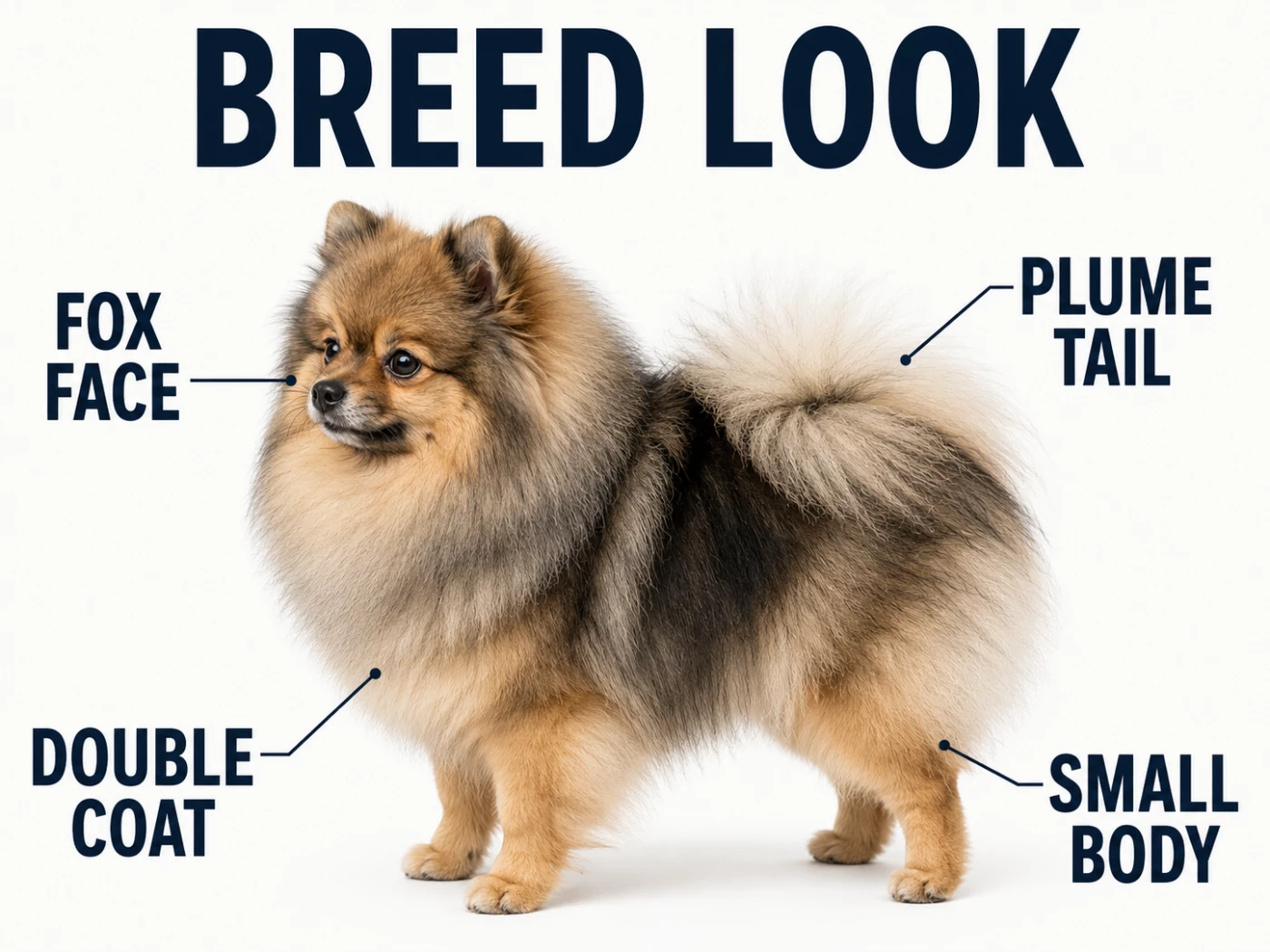
Poms often do not seem to know they are small, which can translate into confidently confronting much larger dogs or strangers. This is rooted in genuine boldness, not necessarily aggression, but it means supervision matters: a confident five-pound dog can get seriously hurt in an encounter with a large dog that a person didn't step in to prevent. Consistent, reward-based socialization from puppyhood helps channel that boldness constructively rather than into reactivity.
Pomeranians were bred more recently as companions than as workers, but they retain a strong watchdog instinct and will reliably alert-bark at doorbells, passersby, and unfamiliar sounds. This makes them attentive companions and can also make them noisy ones in close-quarters housing if barking isn't addressed early with consistent training.
Pomeranians are intelligent and generally food-motivated, which makes reward-based training, the approach recommended by veterinary behavior organizations such as the American Veterinary Society of Animal Behavior for all dogs, particularly effective. Our guide to getting a dog to listen with reward-based methods applies well to this breed's food drive and eagerness to engage, provided training sessions stay short and positive to match a toy breed's shorter attention span and smaller size.
The AKC breed standard calls for Pomeranians weighing 3 to 7 pounds, with show specimens ideally 4 to 6 pounds, and a height of roughly 6 to 7 inches at the shoulder. In practice, many pet-quality Pomeranians run larger than the show standard; breed surveys have found a majority of adult pet Poms weigh more than 7.5 pounds, some considerably more.
This is a case where the official standard and the typical range you'll actually encounter genuinely diverge, so treat the 3-to-7-pound figure as a show benchmark rather than a universal expectation for every healthy Pom.
Most Pomeranians reach close to their adult height by 9 to 12 months and fill out in weight and coat until around 14 to 18 months. Because half a pound is proportionally significant on a dog this small, body condition score, meaning you can feel the ribs with light pressure but not see them, and there is a visible waist from above, is a far more reliable ongoing check than chasing a number on a scale, and it matters more here than in almost any larger breed.
Pomeranians need modest but real daily exercise, generally one or two short walks plus some indoor play, to support joint health and prevent boredom-driven barking. Because of the breed's airway sensitivity, a harness rather than a collar is strongly preferred for walks, since pressure on the neck can aggravate tracheal issues.
The signature double coat needs consistent brushing two to three times a week to prevent matting, with more frequent attention during seasonal shedding periods. Dental disease is one of the most common and under-treated problems in this breed, driven by a small jaw with crowded teeth, so daily or near-daily tooth brushing and regular professional dental cleanings matter more here than in many larger dogs.
Round out care with routine nail trims, since overgrown nails affect gait more noticeably on such a small frame, and gentle, positive-only handling from puppyhood so grooming and vet visits stay low-stress.
Pomeranians are generally long-lived, but their toy size creates a distinct set of risks. Severity varies from dog to dog, and none of these guarantee a problem in every Pom, but they are common enough to plan for.
Luxating patella. This is the most common orthopedic issue in the breed: the kneecap slides out of its normal groove, causing an intermittent skip or hop in the back leg, or in more severe grades, persistent lameness. It is graded 1 through 4 by severity; milder grades are often managed with weight control, while grades 3 and 4 typically require surgical correction.
Tracheal collapse. A weakening of the cartilage rings supporting the windpipe, tracheal collapse is common in small breeds and shows up as a dry, honking cough that worsens with excitement, heat, or pulling against a collar. Mild cases are often managed with medication and a harness instead of a collar; severe cases may need surgery. Because being overweight significantly worsens this condition, weight control is one of the most effective preventive steps an owner can take.
Dental disease. Small jaws with crowded teeth make Pomeranians especially prone to plaque buildup, gum disease, and early tooth loss, often silently until it is advanced. Left unaddressed it can affect far more than the mouth, so daily brushing and regular professional cleanings are a core part of this breed's care rather than an optional extra.
Hypoglycemia in puppies. Toy breed puppies, Pomeranians included, have small livers and fast metabolisms that make them vulnerable to low blood sugar, especially before three months of age. Warning signs include lethargy, weakness, tremors, or disorientation. This is an emergency: if a young Pomeranian puppy shows these signs, offering a small amount of a sugar source like corn syrup on the gums and getting to a veterinarian right away can be lifesaving.
Alopecia X and coat conditions. Some Pomeranians develop a patterned, non-itchy hair loss condition sometimes called alopecia X or "black skin disease," which affects coat appearance without evidence of pain, though its exact cause is not fully understood. It is a cosmetic and diagnostic puzzle more than a health emergency, but it does warrant a veterinary workup to rule out underlying hormonal causes such as hypothyroidism.
There is no single mandatory CHIC panel specific to Pomeranians, but reputable breeders still screen proactively. Ask for a patella evaluation on both parents, a cardiac exam, and eye certification, and ask directly whether the breeder screens for or is aware of alopecia X and thyroid issues in their line. Results should be verifiable through documentation, not just described verbally.
This article is for informational purposes only and does not replace professional veterinary advice. Always consult a licensed veterinarian about your pet's health.
Pomeranians can do well with families, but their small, somewhat fragile frame means they are generally a better match for households with older, gentle children who understand how to handle a small dog than for homes with toddlers, where accidental rough handling is a real injury risk. Close supervision during any child-dog interaction is essential regardless of age.
Their confident, sometimes assertive personality means introductions to other dogs, especially larger ones, should be gradual and supervised, since a Pomeranian's boldness can outpace its ability to defend itself physically. Many Poms coexist well with cats. This breed is genuinely well suited to apartment life given its small size and modest exercise needs, though its tendency to alert-bark is worth managing early if noise is a concern for neighbors.

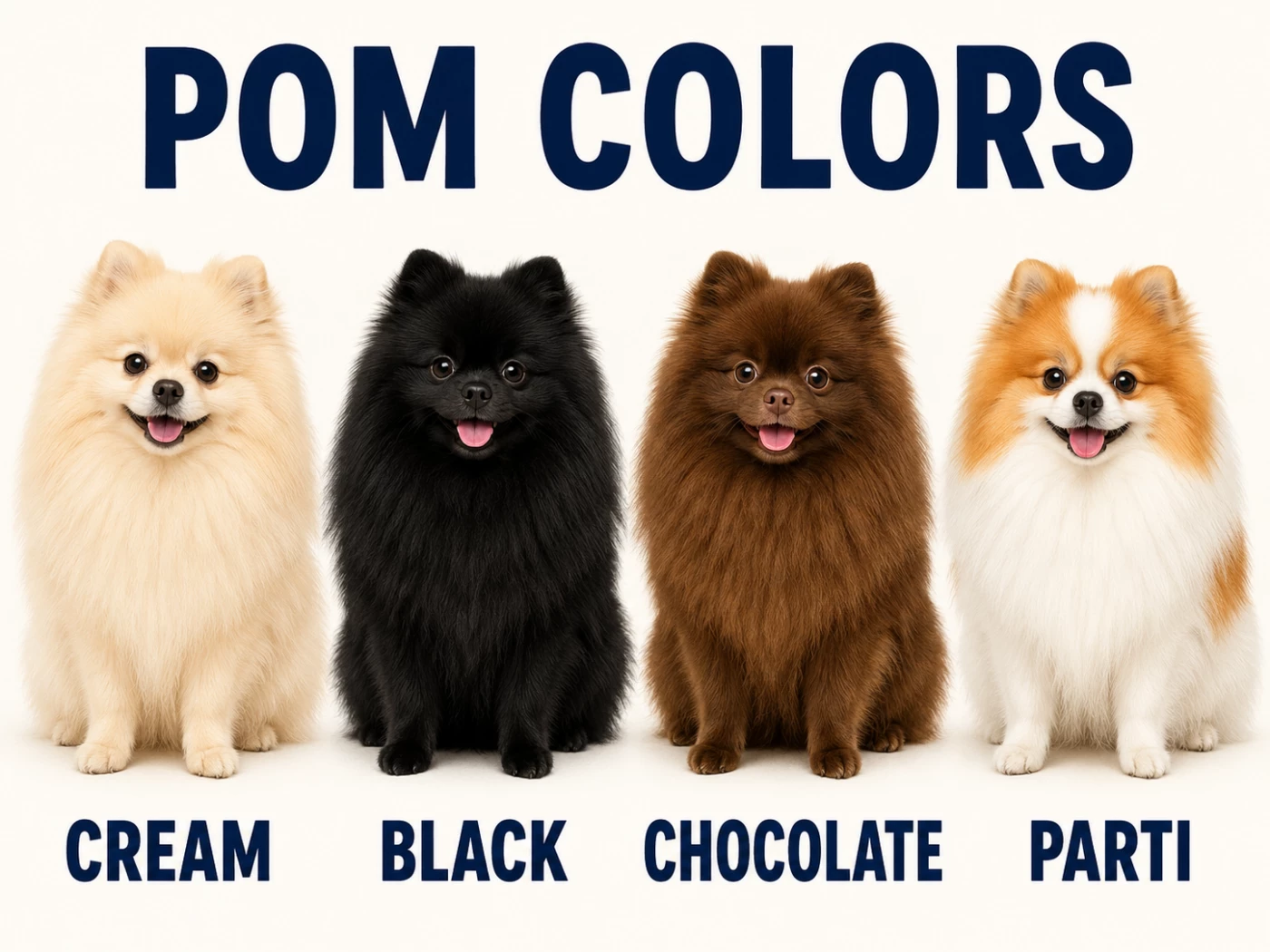
Pomeranian pricing varies widely, more so than many breeds, driven heavily by coat color rarity, show potential, and breeder reputation.
| Source | Typical price (2026) |
|---|---|
| Pet-quality puppy, reputable breeder | $1,000–$2,500 |
| Rare colors or show-line puppy | $2,500–$6,000+ |
| Rescue or adoption | $100–$500 |
Beyond the purchase price, budget for first-year setup costs, including initial vaccines, spay or neuter, a harness, and basic supplies, which commonly add several hundred to over a thousand dollars. Ongoing annual costs tend to run lower than for larger breeds thanks to modest food needs, but the breed's dental care requirements and the possibility of patella or tracheal treatment, which can each run into the thousands if surgery is needed, can add significant unplanned costs over the dog's life.
Prices as of July 2026 — check current listings on AllinPets. These are ranges, not a single national average, and your local market may differ.
For a full first-year and lifetime cost breakdown, see our detailed Pomeranian cost guide.
Pomeranian pricing swings widely enough that price alone tells you very little about quality. Use this checklist:
For more on vetting sellers, see our guide to choosing a responsible dog breeder.
| Good fit if you… | Likely to struggle if you… |
|---|---|
| Want a bold, alert, affectionate toy companion | Have toddlers or very young children in the home |
| Can commit to daily coat and dental care | Want a low-maintenance grooming routine |
| Live in an apartment or smaller space | Cannot manage a dog prone to alert-barking |
| Can budget for potential patella or tracheal treatment | Want a sturdy, rough-and-tumble family dog |
The honest verdict: a Pomeranian makes a wonderful companion for an owner who wants a small, spirited, deeply devoted dog and is prepared to handle it with real care. The main things that catch new owners off guard are how fragile the breed's joints and airway are relative to its big personality, and how much dental upkeep it needs. Go in prepared for both and a Pomeranian rewards you with an outsized amount of character.
You can browse Pomeranian breeders and available puppies, plus rescues and pet services, on AllinPets. AllinPets.com lists Pomeranian breeders across all 50 states for free. Whether you are buying from a health-testing breeder or adopting from a rescue, start by confirming health clearances and meeting the dog before you commit.
AllinPets.com is a free pet classifieds, breeder directory, and pet services platform covering dogs, cats, 250+ breeds, and all 50 US states.
They can be, especially in homes with older, gentle children, but their small and somewhat fragile build makes them a riskier match for households with toddlers or very young kids without close supervision.
Most Pomeranians live 12 to 16 years, one of the longer lifespans among popular breeds, provided weight, dental care, and joint health are managed well.
They have a profuse double coat that sheds moderately year-round, with heavier shedding during seasonal coat blowouts. Regular brushing several times a week keeps it manageable.
A pet-quality puppy from a reputable breeder typically runs $1,000 to $2,500 as of 2026, with rare colors or show lines considerably higher and rescue adoption around $100 to $500.
The most common concerns are luxating patella, tracheal collapse, and dental disease, along with hypoglycemia risk in young puppies. Severity varies widely from dog to dog.
Generally yes. They are intelligent and food-motivated, which suits reward-based training well, though short attention spans mean brief, frequent sessions work better than long ones.

Written by the AllinPets Editorial Team.