Long Read · 6 min
In this guide:
Why a Cavapoo Puppy Ignores Treats
Quick Checklist: Find the Cause
Choose High-Value Treats
Time Training Sessions Well
Use Toys and Play as Rewards
Use Everyday Life Rewards
Start With Simple Cues
Build on Crate and Potty Training
When to Call a Vet or Trainer
Cavapoo Treat Training FAQ
If your Cavapoo puppy ignores treats, the usual causes are stress in a new home, treats that are not exciting enough, a full stomach or too many distractions. Switch to soft, smelly treats, train before meals in a quiet room, keep sessions short, and use play and everyday activities as rewards too.
A new puppy who turns down treats can be worrying, especially when training advice seems to start with "grab a treat." Most puppies who ignore food at first are not broken or stubborn. They simply need a better reward, a better moment or a little more time to settle in. For the full breed profile, see everything about the Cavapoo breed.
Cavapoos, a cross between the Cavalier King Charles Spaniel and the Poodle, are often curious and sensitive. A young puppy in a new home is taking in new people, sounds and smells all at once, and many puppies are too unsettled to care about food in the first days.
Other common reasons include:
Run through these questions before you change your whole training plan:
If the answer to the last question is no, talk to your vet before you worry about training. The AllinPets guide on when a dog stops eating explains common causes and warning signs.
Not all treats are equal to a puppy. Penny Leigh, a certified professional dog trainer with the AKC GoodDog! Helpline, says dogs that ignore kibble may respond to soft, smelly treats or toys, and advises using lots of high-value reinforcement.
Keep the total amount in check. A common guideline is that treats should make up no more than 10% of a dog's daily calories, so reduce meal portions slightly on heavy training days. Ask your vet before adding new foods if your puppy has a sensitive stomach. If your Cavapoo is also fussy at mealtimes, the guide to feeding a picky Cavapoo can help.
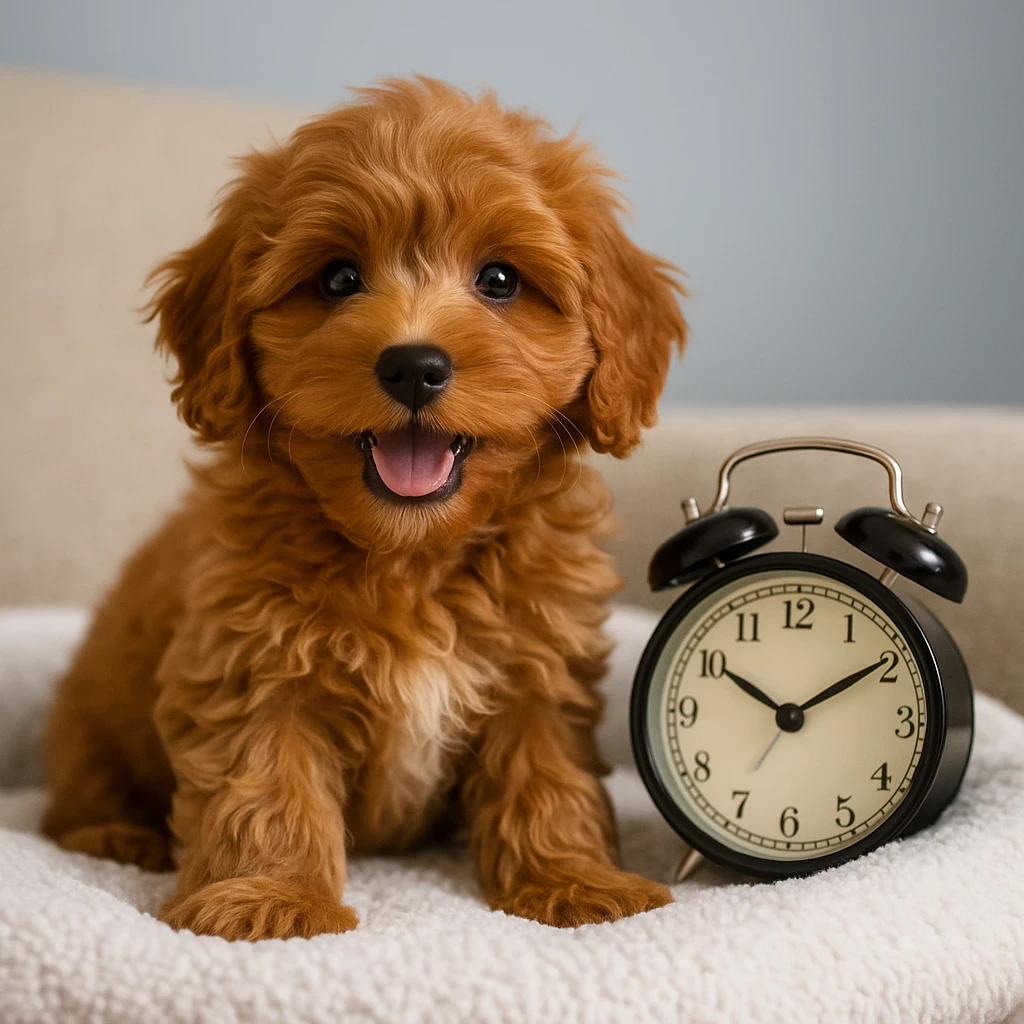
When you train matters as much as what you offer. Leigh advises against feeding a meal right before training and recommends keeping sessions very short, about 10 minutes, with several short sessions spread through the day rather than one long one.
Some puppies care more about play than food. Small, soft toys suit a Cavapoo's size. Try squeaky balls, soft plush toys or treat-dispensing puzzles, and match the toy to your puppy's size so it is easy to carry and safe to chew.
Treats are not the only rewards. The American Veterinary Society of Animal Behavior (AVSAB) notes that treats are far from the only reinforcers available, and that owners can use a dog's own favorite activities to reward behavior they want to teach. This idea is known as the Premack principle: a more likely behavior can reward a less likely one.
Examples you can use with a puppy:
The AKC also warns that calling a dog away from fun and then ending that fun every time can teach it to avoid coming. Release your puppy back to its activity often, so coming to you stays a good deal.
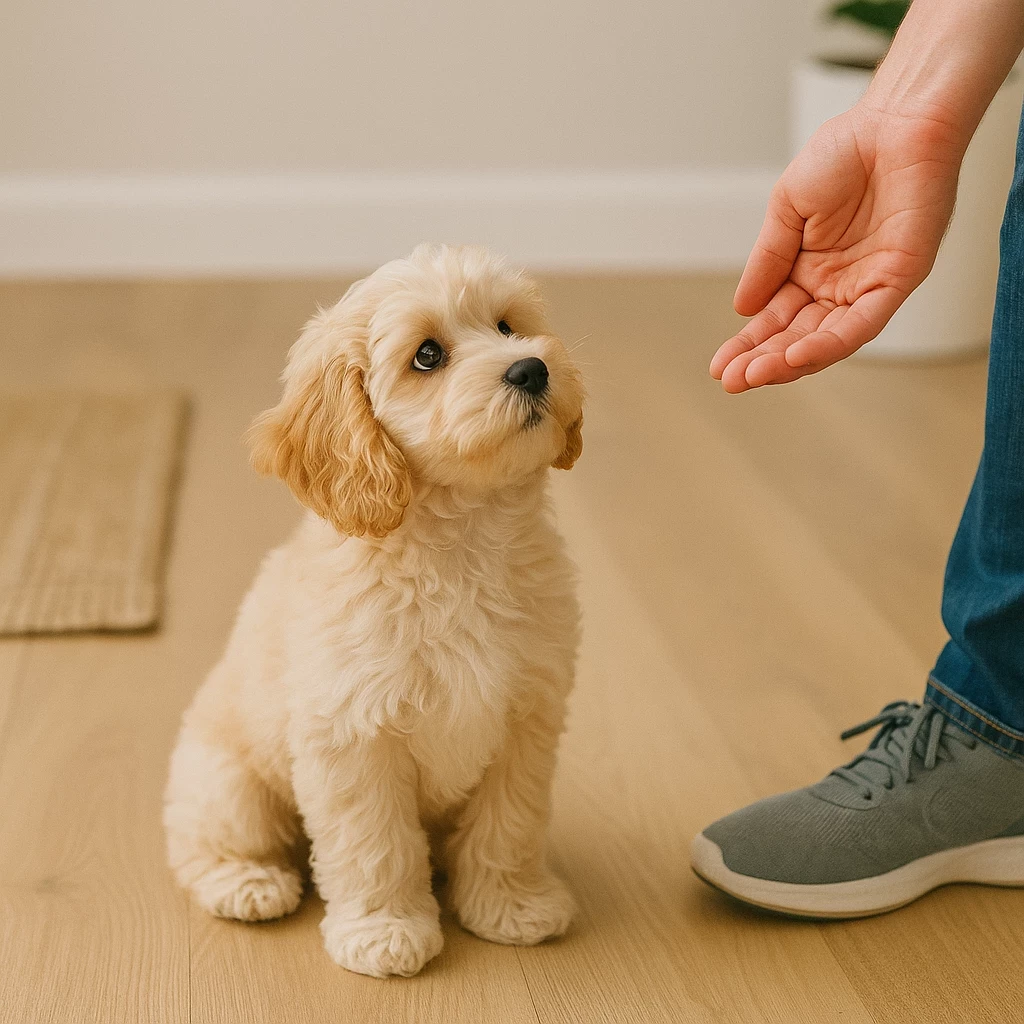
Begin with easy cues such as the puppy's name, sit and come. Reward the moment your puppy gets it right, with a treat, praise, a toy or a life reward. Even small steps count, such as looking at you when you say its name.
Reward-based training is the recommended approach. AVSAB states that evidence supports reward-based methods for all dog training. Avoid scolding or forcing a puppy who is not engaged, since that can make a sensitive dog even less interested.
Everyday routines are good training moments. Make the crate a pleasant place by tossing a treat or toy inside and praising your puppy for going in calmly. Never force a puppy into the crate. A calm crate routine can also help with early-morning waking in Cavapoo puppies.
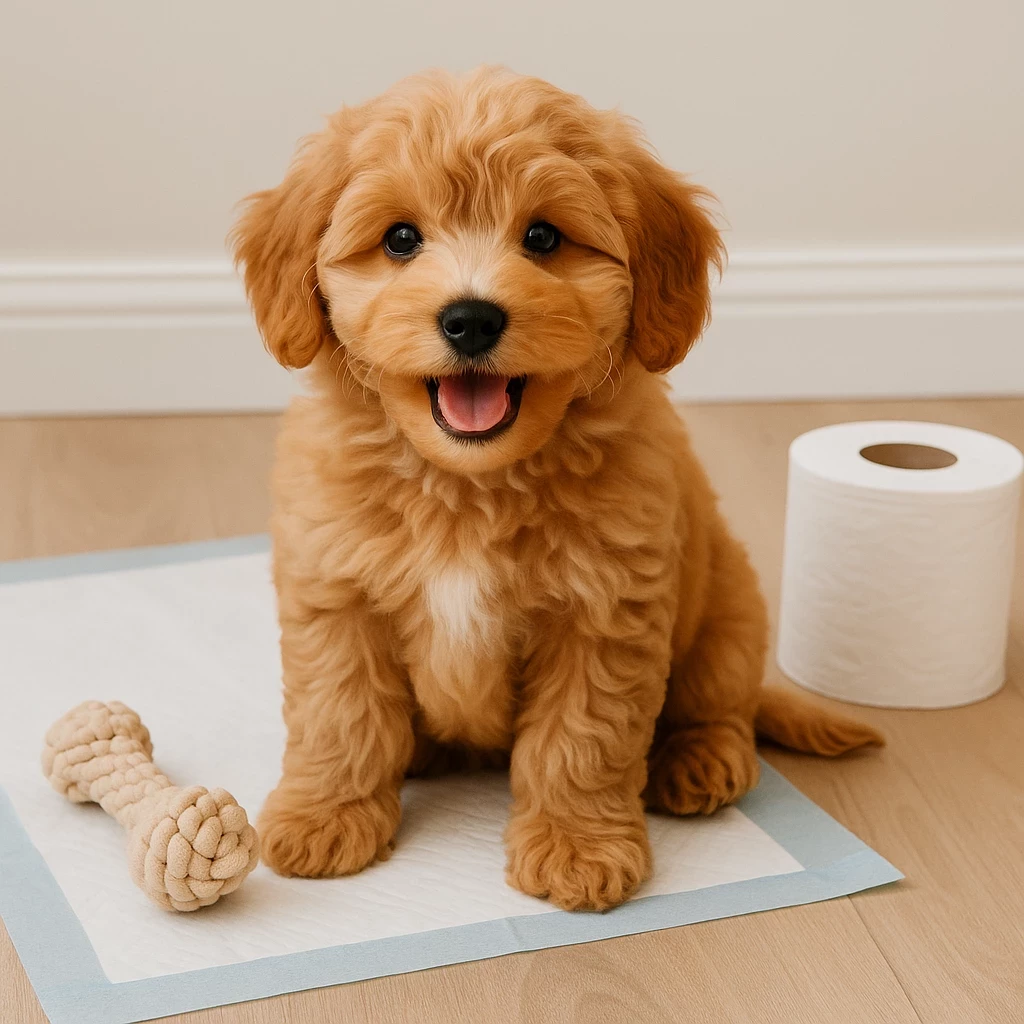
Potty training works the same way. Reward your puppy right after it goes in the right spot, using whatever it values most, whether that is a treat, praise or a short game. The guide to potty training a Cavapoo with rewards covers a full schedule.
Most puppies become more interested in treats and play as they settle in, but there is no fixed timeline. Contact your vet if your puppy:
If your puppy is healthy but still shows little interest in any reward after a few weeks, a certified positive reinforcement trainer can help you find what motivates it. If you are still choosing a puppy, ask breeders how they socialize and handle their litters. When you are ready to compare puppies, AllinPets.com lets breeders list Cavapoo puppies for free and helps buyers browse available listings nationwide.
Common reasons are stress in a new home, low-value treats, a recent meal or distractions. Feeling unwell can also reduce interest in food.
Soft, strong-smelling treats cut into tiny pieces usually work better than kibble or hard biscuits. Keep treats under about 10% of daily calories.
Yes. Toys, play, praise and everyday activities such as going outside can all be rewards, as long as your puppy truly enjoys them.
Call your vet if your puppy also refuses meals, has stomach upset or seems lethargic or in pain.
This article is for informational purposes only and does not replace professional veterinary advice. Always consult a licensed veterinarian about your pet's health.
Written by the AllinPets Editorial Team