Long Read · 10 min
In this guide:
Where Cavapoo Colors Come From
Ruby
Apricot
Red
Gold
Cream
Chocolate
Brown
Tan
Blenheim
Tricolor
Black and Tan
Black
White
Merle
Do Cavapoo Puppies Change Color?
Does Coat Color Affect Health or Temperament?
How to Check a Puppy's Color Before You Commit
Cavapoo Color FAQ
Cavapoos come in solid shades like ruby, apricot, cream, black and chocolate, and in patterns like Blenheim, tricolor, black and tan and merle. Every one of these colors traces back to the two parent breeds, the Cavalier King Charles Spaniel and the Poodle. Color also gives you clues about how a coat may change with age and, in the case of merle, what health testing to ask about.
This guide walks through 14 colors and patterns you will see on Cavapoo listings, what each one actually means, and how to check a puppy's color before you commit. Color is only one part of choosing a dog, so it helps to read it alongside the full Cavapoo breed overview.
A Cavapoo's color comes from the genes it inherits from a Cavalier parent and a Poodle parent. The two breeds bring very different palettes, so a litter can include several colors at once.
The AKC standard for the Cavalier King Charles Spaniel allows exactly four colors: Blenheim, tricolor, ruby, and black and tan. Two of these, Blenheim and tricolor, are patterns with white. The AKC Poodle standard, by contrast, calls for an even, solid color at the skin and disqualifies parti-colored dogs. It names blues, grays, silvers, browns, cafe-au-laits, apricots, creams, black and white among Poodle colors. In a Cavapoo, white patterns therefore come from the Cavalier side, while the wide range of solid shades comes largely from the Poodle side.
Under the coat, there are only two pigments. The UC Davis Veterinary Genetics Laboratory explains that dog hair color is built from eumelanin, which is black, and phaeomelanin, which is red or yellow. Other genes then dilute, darken or pattern these two pigments. That is why "apricot," "gold" and "cream" are really different strengths of the same red-yellow pigment, while "chocolate" is black pigment changed to brown.
Generation can matter too. A puppy with more Poodle in its pedigree may lean toward Poodle-type solid colors and coats. The details of each cross are covered in the guide to how F1, F1B and F2 Cavapoo crosses differ.
A ruby Cavapoo is a solid, deep red from head to tail, with no white markings. The term comes straight from the Cavalier standard, which describes ruby as a whole-colored rich red and treats white marks on a ruby as a fault.
Ruby gives a strong, even tone. Keep in mind that red shades can lighten over time. Sellers commonly say a ruby coat may soften toward apricot over the first one to two years. This is a typical pattern reported by owners and breeders, not a rule, and no study has measured how often it happens in Cavapoos.
Apricot is a lighter, warmer red with creamy undertones, like the inside of an apricot. It is a soft, warm shade often described as a "teddy bear" look.
Apricot is an official Poodle color. The AKC Poodle standard notes that apricots may show varying shades of the same color, and that some apricot Poodles have liver-colored noses and eye rims, which are permitted but not preferred. So an apricot Cavapoo with a lighter nose is not unusual. If nose color matters to you, ask to see the puppy and both parents in natural light.
"Red" is a broad label that can cover anything from deep ruby to lighter apricot. On listings, it often works as a catch-all rather than a precise shade.
Genetically, a solid red, apricot or cream dog usually produces little or no black pigment in its coat. UC Davis notes that dogs with two copies of the recessive red variant of the MC1R gene can only produce red-yellow pigment, which gives coats in shades of cream, yellow or red. How dark that red looks depends on other genes. Because "red" is so loose a term, ask the seller for daylight photos and photos of the parents rather than relying on the word alone.
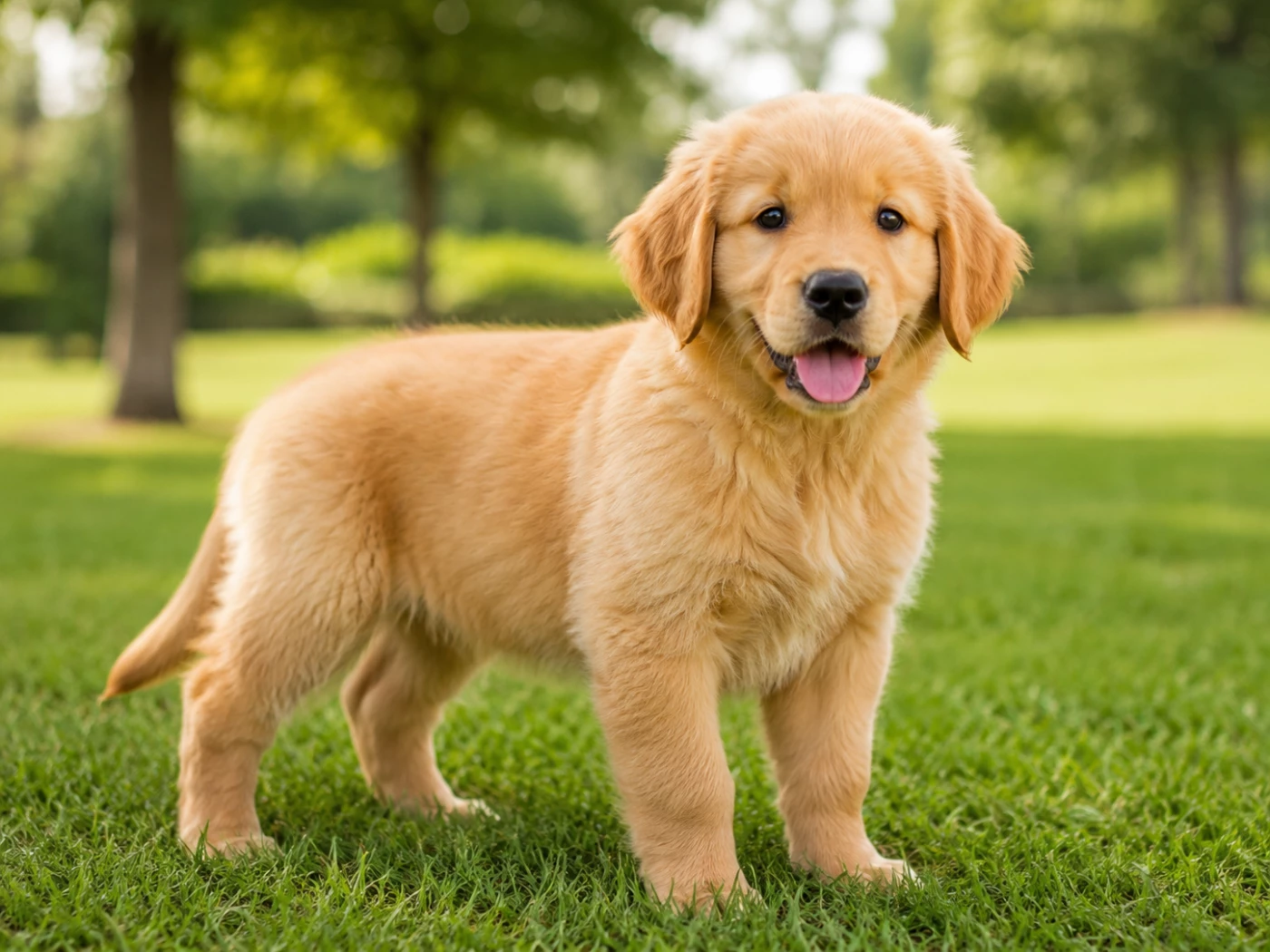
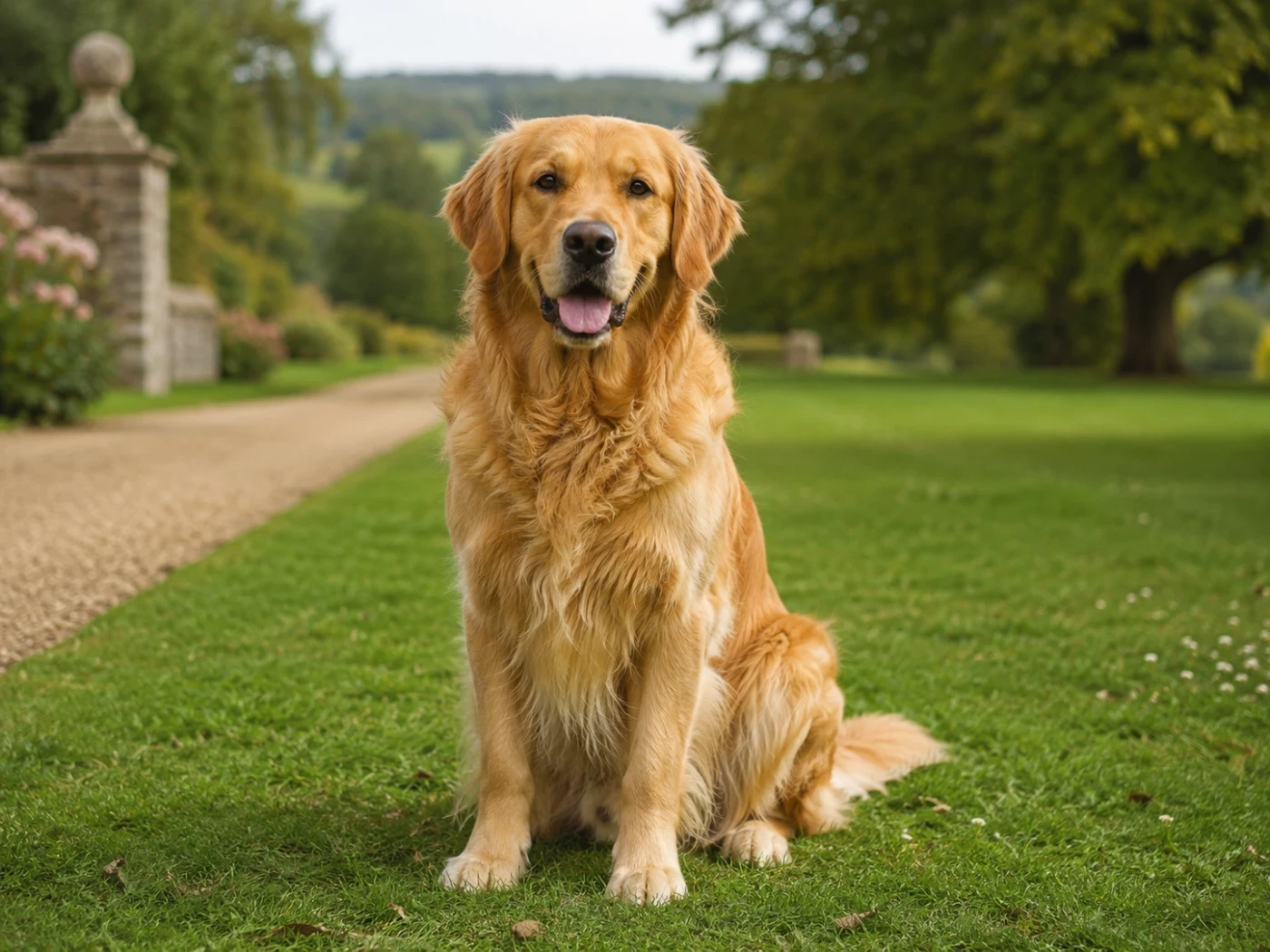
Gold is a warm, honey-like shade that sits between apricot and cream. It often shows a golden sheen in sunlight.
Gold is a descriptive label, not a registry color. Neither the Cavalier nor the Poodle standard lists "gold," so one seller's gold can look like another seller's apricot or light red. Treat it as a description of tone and judge the actual puppy, not the word on the listing.
A cream Cavapoo is a soft off-white with buttery undertones, darker than pure white. Cream is one of the Poodle colors named in the AKC standard, which notes that creams may show varying shades of the same color, often a little darker on the ears.
Cream coats can shift with age. Sellers commonly report that a cream puppy may lighten or darken as the adult coat comes in. This is a general observation rather than a documented rule, so expect some change and do not choose a cream puppy expecting the exact shade to stay fixed.
A chocolate Cavapoo is a deep, rich brown, like a bar of dark chocolate. The clearest sign of a true chocolate is a brown nose and brown paw pads, not a black nose.
This comes down to one gene. According to UC Davis, two copies of the brown variant of the TYRP1 gene change black pigment to brown in both hair and skin, which is why the nose and foot pads turn brown as well. The Poodle standard says the same thing in plain terms: brown Poodles have liver-colored noses, eye rims and lips. A dark brown puppy with a black nose is usually not a genetic chocolate, so ask the seller about nose color if chocolate is what you want.
"Brown" is a general term for any brown-toned Cavapoo, from a light coffee color to deep chocolate. The lighter end overlaps with cafe-au-lait, which is a named Poodle color.
Because brown covers such a wide range, two "brown" listings can look very different. If you want a particular shade, compare puppies side by side and check nose color, since a brown nose points to genetic chocolate.
Tan in a Cavapoo most often appears as markings rather than a whole coat. In the Cavalier standard, tan shows up as rich tan markings over the eyes, on the cheeks, inside the ears and under the tail on tricolor and black and tan dogs.
When a listing says "tan" for a solid coat, it usually describes a light fawn or sandy shade. That is a seller's label, not a standard color, so look closely at photos to see whether you are getting a solid light coat or a patterned dog with tan points.
Blenheim is the classic Cavalier pattern: rich chestnut patches on a clear, pearly white base. The AKC Cavalier standard calls for chestnut ears, color evenly spaced around both eyes, and a white blaze between the eyes and ears.
Some Blenheim Cavaliers have a chestnut dot in the middle of that blaze, known as the "lozenge" or "Blenheim spot." The standard calls it desirable but not essential. Because the Poodle standard disqualifies parti-colored dogs, a Blenheim pattern in a Cavapoo comes from its Cavalier ancestry.
A tricolor Cavapoo is black and white with tan markings. In the Cavalier standard, tricolor means jet black markings on a pearly white base, black ears, a white blaze between the eyes, and tan over the eyes, on the cheeks, inside the ears and under the tail.
In a Cavapoo, the tan points may be easy or hard to see depending on coat length and curl. Ask for close-up photos of the face if the tan eyebrows are part of the look you want.
A black and tan Cavapoo is mostly black, with tan "points" on the face, chest and legs. The Cavalier standard describes black and tan as jet black with bright tan over the eyes, on the cheeks, inside the ears, on the chest and legs, and under the tail, with no white.
In the Poodle world, the same layout is often called "phantom." UC Davis describes this kind of pattern, with a black back and tan on the cheeks, eyebrows and underside, as one of the patterns controlled by the Agouti gene. It shows up only when the dog can produce black pigment.
A black Cavapoo has a solid, glossy black coat with no other markings. A solid black coat shows off curl and wave especially well, and black Poodles have black noses, eye rims and lips under the AKC standard.
A black puppy may not stay jet black. Some black puppies gradually clear to silver or blue-gray as they grow. The Animal Medical Center in New York notes that greying and silvering genes are one possible cause of this kind of lightening in Poodles. If you want a black adult dog, ask whether the Poodle parent or grandparents lightened with age.
A white Cavapoo has a solid white or very light off-white coat. White is a recognized Poodle color, and white Poodles have black noses and eye rims under the AKC standard.
It is worth separating a true white from two look-alikes. A light cream can read as white in bright photos, and a Blenheim with very few chestnut patches can also look mostly white. Ask for photos in natural light and check the ears and the area around the eyes, where Blenheim color usually appears.
A merle Cavapoo has a marbled coat, with irregular patches of diluted color over areas of full color. Merle is not an allowed color in the AKC standard of either parent breed, so it does not come from typical Cavalier or Poodle color.
The UC Davis Veterinary Genetics Laboratory describes merle as incompletely dominant. A dog with no copy of the merle variant cannot pass it on, so a merle puppy has to inherit it from a parent that carries it. Some carriers, called "cryptic merles," show little or no visible pattern, which is why DNA testing matters more than appearance.
Merle also carries a real health consideration, covered in the next sections. If you are drawn to a merle puppy, ask whether both parents were tested and see the results.
Yes, many Cavapoo coats lighten as puppies grow, and this is usually normal. Dark red puppies may soften toward apricot, and some black puppies clear toward silver or gray.
The cause is less settled than many listings suggest. Listings and owner forums often mention a "fading gene" from the Poodle side. However, a veterinarian at the Animal Medical Center in New York reported that she could not find a scientific description of a specific Poodle fading gene, and pointed to greying and silvering genes as one possible explanation. The AKC Poodle standard itself accepts natural variation in shading for colors such as browns, apricots and creams.
Timing varies by dog. Sellers commonly say most change happens within the first one to two years. Treat that as a typical pattern, not a guarantee. Coat type plays a role too, so it helps to understand how the coat is clipped and maintained before judging its final color.
For most colors, no. Coat color does not predict a Cavapoo's personality. Temperament is shaped by genetics, early socialization and training, not by pigment. Merle is the main exception on the health side.
UC Davis explains that dogs with two copies of the merle variant, called "double merles," may have hearing, eye, skeletal and other defects. Merle dogs can also have a range of hearing and eye problems. For this reason, UC Davis discourages breeding two merle dogs together and recommends DNA testing for merle where the pattern occurs. A merle DNA test from the UC Davis Veterinary Genetics Laboratory can show whether a dog carries the variant, even if its coat looks solid.
If a seller offers merle puppies, ask whether both parents were tested, and ask to see the results in writing. A litter from two merle parents is a reason to walk away.
The safest way to choose a color is to verify it, not trust the label. Color names on listings are informal, and the same word can mean different shades to different sellers.
Color should come after health and temperament, not before. A clear set of questions to ask a Cavapoo breeder will tell you more about a puppy's future than its shade. When you are ready to compare puppies, AllinPets.com lets breeders list Cavapoo puppies for free and helps buyers browse available listings nationwide.
There is no official count, because no breed registry tracks Cavapoo colors. Red-family shades such as ruby and apricot, the Blenheim pattern and black all appear regularly on listings, but any "most common" ranking is informal.
No data reliably ranks Cavapoo colors by rarity. Merle stands apart because it is not an allowed color in either parent breed's AKC standard and must come from a parent carrying the merle variant. True chocolate also requires two copies of a recessive brown variant, so it depends on both parents carrying it.
Yes, many do, especially red and black puppies. The exact cause is not fully explained, but greying and silvering genes from the Poodle side are one likely factor.
Usually not. The key exception is merle, because double merle dogs may have hearing, eye and other defects, so parents should be DNA tested before breeding.
This article is for informational purposes only and does not replace professional veterinary advice. Always consult a licensed veterinarian about your pet's health.
Written by the AllinPets Editorial Team